Composting

Composting: Why?

Composting is one of the simplest and most effective ways to reduce waste on Koh Samui. Food scraps, leaves, and garden waste make up a large percentage of household trash, and instead of sending it to overcrowded landfill sites, these materials can be turned into rich, natural fertilizer for plants and gardens. Composting helps reduce methane gases, improves soil health, lowers the amount of garbage burned or dumped, and supports a cleaner, more sustainable island environment for everyone.

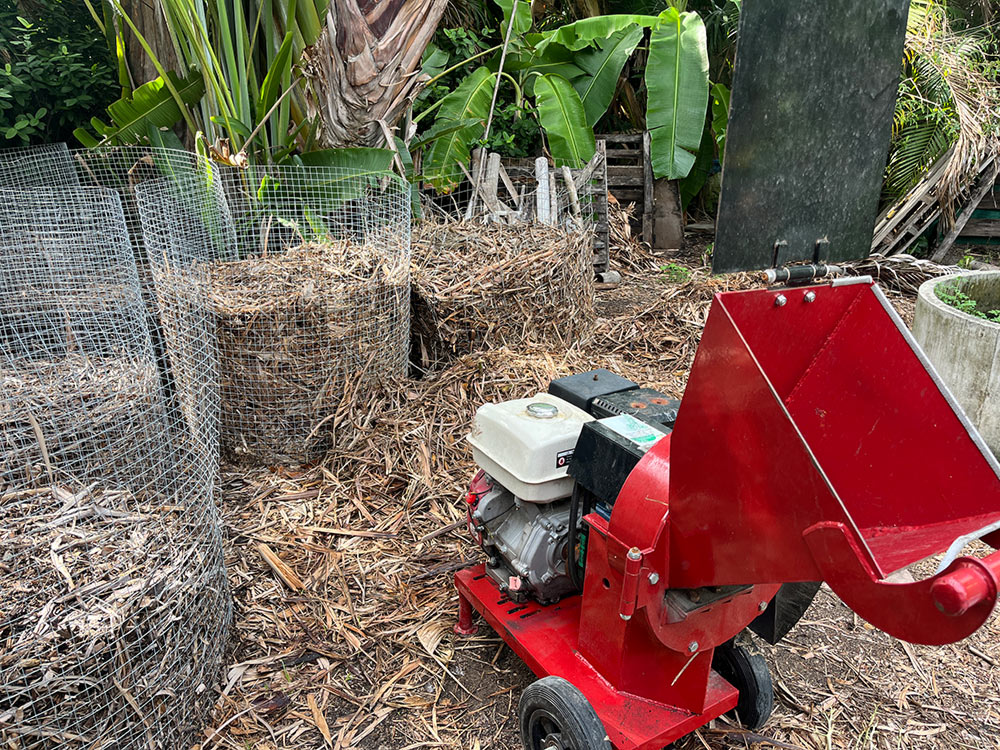
Composting with wire mesh

Composting: Supplies Needed

Composting: How?

Building the Compost Bin

  • Form the wire mesh into a cylinder
  • Secure the ends with wire ties or clips
  • Recommended size:
    • 1–1.5 meters wide
    • 1–1.2 meters tall
  • Place bin directly on soil for drainage and beneficial organisms

Materials To Add

“Green” Materials (Nitrogen)

  • Fruit scraps
  • Vegetable scraps
  • Fresh grass clippings
  • Coffee grounds
  • Green leaves
  • Plant trimmings

“Brown” Materials (Carbon)

  • Dry leaves
  • Small branches
  • Shredded cardboard
  • Coconut husks
  • Dry palm fronds
  • Dried garden waste

How To Layer Properly

  1. Start with small sticks or coarse material at the bottom for airflow
  2. Add a layer of brown material
  3. Add a thinner layer of green material
  4. Repeat layers as material is added
  5. Cover fresh food scraps with dry material to reduce insects and smell

Maintenance

  • Keep compost moist:
    • like a damp sponge
    • not soaking wet
  • Water occasionally during dry periods
  • Turn compost every 1–2 weeks to introduce oxygen
  • Chop larger material into smaller pieces for faster composting
  • Add more brown material if compost smells bad or becomes too wet

Benefits Of Composting

  • Reduces household waste
  • Helps reduce landfill and burning
  • Creates natural fertilizer for plants and gardens
  • Improves soil health
  • Helps protect Koh Samui’s environment and natural habitat